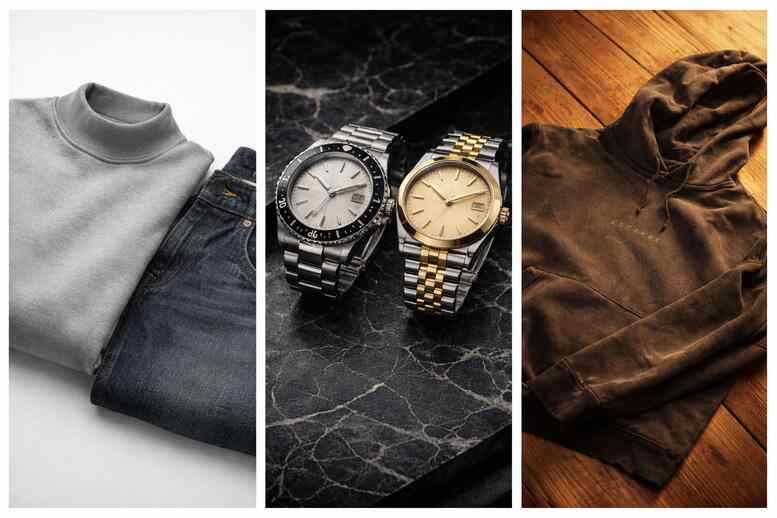
Why the Average Closet Quietly Got Better This Year
Something shifted in how people dress now. Walk through any college campus or coffee shop and you’ll spot the same three things on rotation: a tour tee from a country or folk artist, a heavyweight hoodie from a smaller fashion label, and a watch that punches well above its price. That mix didn’t exist five years ago. Back then it was streetwear or concert merch or the watch crowd, and those three groups didn’t really talk to each other. Now they share closets. My own closet looks exactly like that, and yours probably does too if you’ve been paying attention to what people actually wear. The reason is simple. Fast fashion kept shrinking after two washes, so people quietly started buying fewer pieces from places that care about the product. A friend of mine sold off half her stuff last spring. She replaced it with maybe twelve items, and she wears the same five almost every week. She looks better than ever. There’s a lesson hiding in that. This guide walks you through building the same kind of closet without overthinking it, burning a paycheck, or the influencer haul nonsense. I’ll point you toward specific pieces I’ve worn for months, tell you which ones earned the spot, and admit which ones didn’t quite land. No filler. Real fits, real fabrics, real opinions you can argue with.
The Concert Tee Comeback Nobody Saw Coming
Country and folk merch used to mean a stiff polyester shirt with a tour date list down the back. Not anymore. The new wave of artist-driven merch pulls from real album art, uses heavier cotton, and treats the print as a proper graphic design project rather than an afterthought. Look at the lineup over at Zach Bryan hoodie drops and tees, and you’ll see what I mean. The American Heartbreak black tee, for instance, runs heavyweight 100 percent cotton with a fit that sits between fitted and oversized, so it works tucked or untucked. Burn Burn Burn tour pieces lean folk-rock and run a little looser. Meanwhile, the Bar Scene drops use rust and khaki tones that pair surprisingly well with raw denim. Hand on heart, I prefer the rust Bar Scene over the black version. The color reads warmer in person than the product photos suggest, and it photographs nicely under tungsten light at a bar, which sounds vain but matters when you remember half your nights end up on someone’s phone. Here’s an honest limitation though: these tees run hot. The cotton is thick, which means they hold up beautifully but feel heavy on a humid August evening. So if you live somewhere muggy, treat them as fall and winter pieces. Quick story. I wore the American Heartbreak tee to a barbecue in July last year and sweated through it inside an hour. Lesson learned. Save the heavyweight stuff for October onward, and stick to lighter cotton in summer. The merch is worth owning. Just wear it during the months it’s built for.
Hoodies That Earn Their Place in Heavy Rotation
A hoodie is the workhorse of any closet. You wear it more than anything else, and a bad one shows immediately because the cuffs go limp inside a month. Good ones, though, hold their shape for years. So how do you spot a good one before you buy? Three signals matter most.
- Fabric weight should sit between 380 and 480 GSM. Anything lighter feels like a sweatshirt pretending to be a hoodie, anything heavier turns into a winter coat.
- The drawstring should be flat cotton cord, not slippery polyester, because flat cord stays tied without re-cinching every twenty minutes.
- Cuff ribbing must spring back when you stretch it. If it sags after one tug in the store, it’ll sag after one wash at home.
Once you know what to look for, the picks get easier. The Parke Hometown Classic Zip Up is the one I reach for most often, mainly because the brushed fleece interior feels broken in from day one. A good parke sweatshirt or zip hoodie generally runs slightly oversized in the shoulders, so size down if you want a fitted look or stay true for a layering fit. The 22 Athletics Sports Hoodie works year-round because the fleece is brushed but not too thick, which means you can wear it under a denim jacket in November without feeling like a marshmallow. One personal preference: I never wear a pullover with a graphic on the chest under a button-up. The print bunches awkwardly. A zip-up sits flatter and gives you more options. Your taste may differ, but try it before you disagree.
The Quiet Power of a Good Sweatshirt
Sweatshirts get overlooked because everyone defaults to hoodies, but the right crewneck does things a hoodie can’t. It layers cleanly under an unbuttoned overshirt, sits flat under a leather jacket, and reads slightly dressier without being formal. Mocknecks, in particular, had a real moment over the past two years, and the look isn’t going away. The high collar adds warmth without bulk, which is a useful trick if you walk to work in cold weather but overheat once you sit down. Boston Signature Mockneck and Chicago Signature Mockneck are the two pieces I keep recommending to friends. Both use a midweight cotton fleece blend that softens with every wash, and the city graphics feel earned rather than gimmicky if you’ve actually been to the place. Personal opinion: the varsity mocknecks are better for weekend wear, while the plain signature versions handle Monday meetings just fine. Style-wise, you can pair these with raw denim and white sneakers, or with chinos and brown leather boots, and either combination looks deliberate instead of accidental. One small frustration I have to mention: the mocknecks sell out fast in the popular colors, particularly grey marle and oat, so if you spot your size, grab it. I waited two weeks last fall thinking the Chicago version would restock, and it didn’t. By the time it came back, the season was already over.
The Watch Question Nobody Wants to Answer Honestly
Watches are where the wardrobe conversation gets uncomfortable. A real Rolex Submariner costs more than a used car. Most people who’d love to wear one simply can’t, and there’s nothing to be ashamed of about that. So a lot of people choose a different route: a high-grade replica rolex that captures the look and weight without the financial commitment. I want to be upfront here. I’m not telling you to misrepresent a watch as something it isn’t. That’s bad ethics and bad style. But owning a sharp-looking sports watch that looks the part of a classic chronograph or dive piece is a perfectly normal middle ground, and the build quality in 2026 is genuinely better than five years ago. Look for these things specifically:
- 904L stainless steel case material rather than the cheaper 316L
- A genuine sapphire crystal, not mineral glass
- Automatic movement that hacks (the second hand stops when you pull the crown)
- A solid screw-down crown that actually screws down
- Weight in the 130 to 160 gram range for a steel sports watch on a steel bracelet
The Submariner silhouette is the easiest entry point because it works with everything from a tee to a sport coat. Daytona is sharper and a touch dressier. Both look at home next to denim and a hoodie, which is the whole point of this guide. One opinion you can take or leave: I think a watch you actually wear every day beats a watch that sits in a safe ninety percent of the time. Function over flex.
How These Three Worlds Actually Mix in Real Life
The fun part is putting the pieces together without thinking about it too hard. A Saturday outfit for me right now is the rust Bar Scene tee, slim straight raw denim, white leather low-top sneakers, and a sports watch on a steel bracelet. That outfit costs roughly the same as one piece from a luxury brand, but it gets way more compliments because nothing about it looks like it’s trying. The trick is contrast. A graphic tee wants plain bottoms. A loud hoodie wants quiet denim. A flashy watch wants a simple tee. If two pieces are fighting for attention, one of them has to come off. Color-wise, I lean on three anchors. Off-white, faded blue denim, and a warm brown leather note like a boot or a belt. Everything else gets layered on top of that base. For colder months, the Hometown Classic zip-up over the American Heartbreak tee works as my standard 9 to 5 outfit, with the watch as the only piece of jewelry. Simple and repeatable. One more practical thing. Steam your tees. I bought a thirty-dollar handheld steamer two years ago and it changed how my graphic shirts look in photos. Crisp graphics, no iron damage, takes forty seconds per shirt. Best small purchase I’ve made for clothes in a long time.
Caring for the Stuff So It Lasts Past One Season
Most people quietly destroy their good clothes in the laundry. Cold water inside out for everything with a graphic print. Hang dry the hoodies and sweatshirts, because dryers murder elastic cuffs and shrink fleece unevenly. Denim should be washed maybe four times a year if you actually want the fades to develop. Watches need a quick rinse under fresh water if they get sweat on them, even if the case is rated for diving. Salt and skin oils corrode bracelet links over time. Brush the dust out of the link gaps every couple of months with a soft toothbrush. It takes ninety seconds and adds years. For tees with heavy ink prints like the American Heartbreak or Bar Scene drops, never iron directly onto the graphic. Flip the shirt inside out, set the iron to medium, and use a press cloth if you can. I learned that the hard way with a Burn Burn Burn pullover, and the cracked print still bothers me every time I pull it out of the drawer. One more storage note. Fold hoodies and sweatshirts. Don’t hang them. Hanging stretches the shoulders permanently, and after six months you’ll see weird bumps where the hanger sat. Fold along the seams, stack with the heaviest on the bottom, done.
What This Whole System Costs You Over a Year
Let’s talk numbers honestly because nobody else will. A solid base wardrobe built around this approach runs roughly $800 to $1,400 depending on choices. Two concert tees at $70 each, two hoodies or mocknecks averaging $250, two pairs of denim at $200 each, and one watch in the $400 to $800 range. That’s the whole thing. Compare that to what people spend chasing trends and the math suddenly makes sense. The pieces last three to five years if you treat them right, which means your annual cost-per-wear drops below a coffee. Versus fast fashion, where you spend $30 on a shirt that’s unwearable by April, the real cost is lower even though the upfront number is higher. I tracked my own clothing spend in 2024 and 2025 just out of curiosity. In 2024, I bought more cheap stuff and spent $1,180. In 2025, I bought fewer but better things and spent $1,090. The 2025 closet looks miles better and almost every piece is still in rotation. The takeaway is boring but true. Buy less. Buy better. Don’t buy anything you wouldn’t pay full price for, even on a sale. Sales are how stores get rid of stuff that didn’t move at full price for a reason. If a piece sits in the discount bin three weeks in a row, there’s usually a reason it’s there.
Final Words
Wardrobe building isn’t about chasing the next thing. The people who look sharpest are usually the ones with the smallest closets and the cleanest rotation. Pick three or four good tees, two hoodies or mocknecks that fit your weather, denim that actually fits your body, and one watch that makes you smile when you put it on in the morning. That’s the whole system. Wear it, take care of it, and stop scrolling for the next purchase. The closet you want isn’t five clicks away. It’s already in front of you if you commit to the stuff that’s already there. Buy slowly, wash gently, fold properly. The rest takes care of itself.
Frequently Asked Questions
- How many tees do I actually need?
Honestly, four or five graphic tees and four or five plain tees is plenty. Anything more and you’ll forget what you own. Rotate them by week, not by day.
- Are heavyweight hoodies worth the extra money?
Yes, if you live somewhere with real winters. No, if you’re in a year-round mild climate. A 480 GSM hoodie in Florida is a punishment device.
- Should I worry about people noticing my watch isn’t the real thing?
Almost nobody can tell the difference at conversation distance. The people who can tell aren’t paying close attention to your wrist anyway. Wear it confidently or don’t wear it at all.
- How do I keep a graphic print from cracking?
Wash inside out in cold water, hang dry, never iron the print directly. That’s 90 percent of the battle. The other 10 percent is buying tees with thicker plastisol ink to start.
- What’s the one piece you’d skip from this guide?
Probably the trendiest mockneck color of the season. The classic colorways outlast the limited drops every single time. I’ve never regretted buying grey marle. I’ve definitely regretted buying neon green.
Read More: monique james